Resource Conservation and Recovery Act
The definitive guide to RCRA compliance. Understand the federal framework governing the proper management of hazardous and non-hazardous solid waste from cradle to grave.
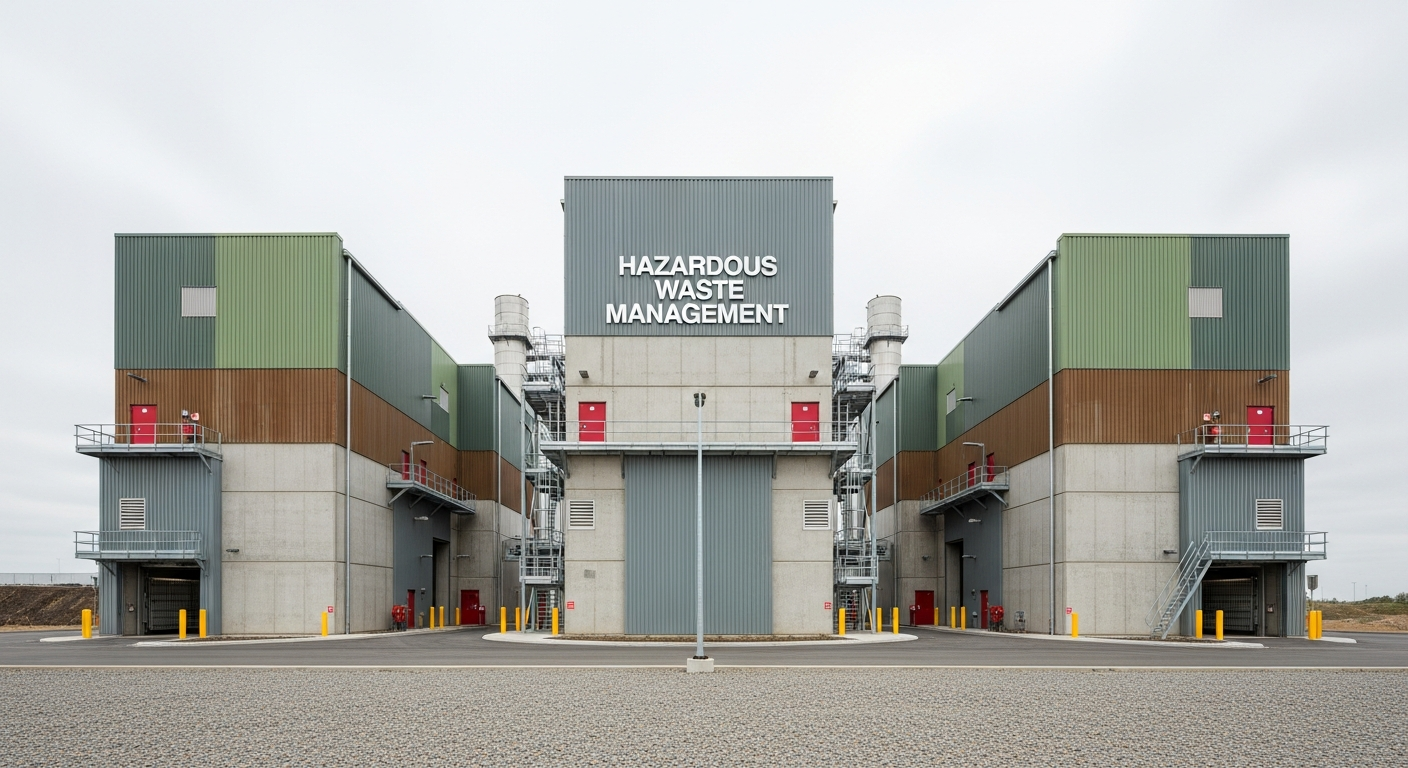
What is RCRA?
The Resource Conservation and Recovery Act (RCRA) is the principal federal law in the United States governing the disposal of solid waste and hazardous waste. Passed in 1976, it grants the Environmental Protection Agency (EPA) the authority to control hazardous waste from "cradle-to-grave."
Federal Framework
Establishes the framework for a national system of solid waste control, ensuring environmental protection while promoting resource recovery.
Cradle-to-Grave
Comprehensive tracking of hazardous materials from their initial generation, through transportation, to their final disposal or treatment.
EPA Enforcement
Provides the EPA with enforcement authority, including civil and criminal penalties, to ensure compliance with hazardous waste regulations.
Subtitle C vs Subtitle D
RCRA is divided into specific "subtitles" that govern different types of waste. The two most critical for environmental compliance are Subtitle C and Subtitle D.
Subtitle C: Hazardous Waste
Establishes a federal program to manage hazardous wastes from cradle to grave. This ensures that hazardous waste is managed safely from the moment it is generated to its final disposal.
Subtitle D: Non-Hazardous Waste
Focuses on state and local governments as the primary planning, regulating, and implementing entities for the management of non-hazardous solid waste, such as household garbage.
Generator Categories
RCRA regulations apply differently based on the volume of hazardous waste a facility produces in a calendar month. The EPA establishes three distinct generator categories.
Very Small Quantity Generator
- Generates 100 kilograms or less per month
- Must identify all hazardous waste generated
- Cannot accumulate more than 1,000 kg at any time
Small Quantity Generator
- Generates between 100 kg and 1,000 kg per month
- May accumulate waste on-site for 180 days without a permit
- Requires EPA Identification Number
Large Quantity Generator
- Generates 1,000 kilograms or more per month
- May accumulate waste on-site for 90 days
- Subject to full RCRA Subtitle C regulations
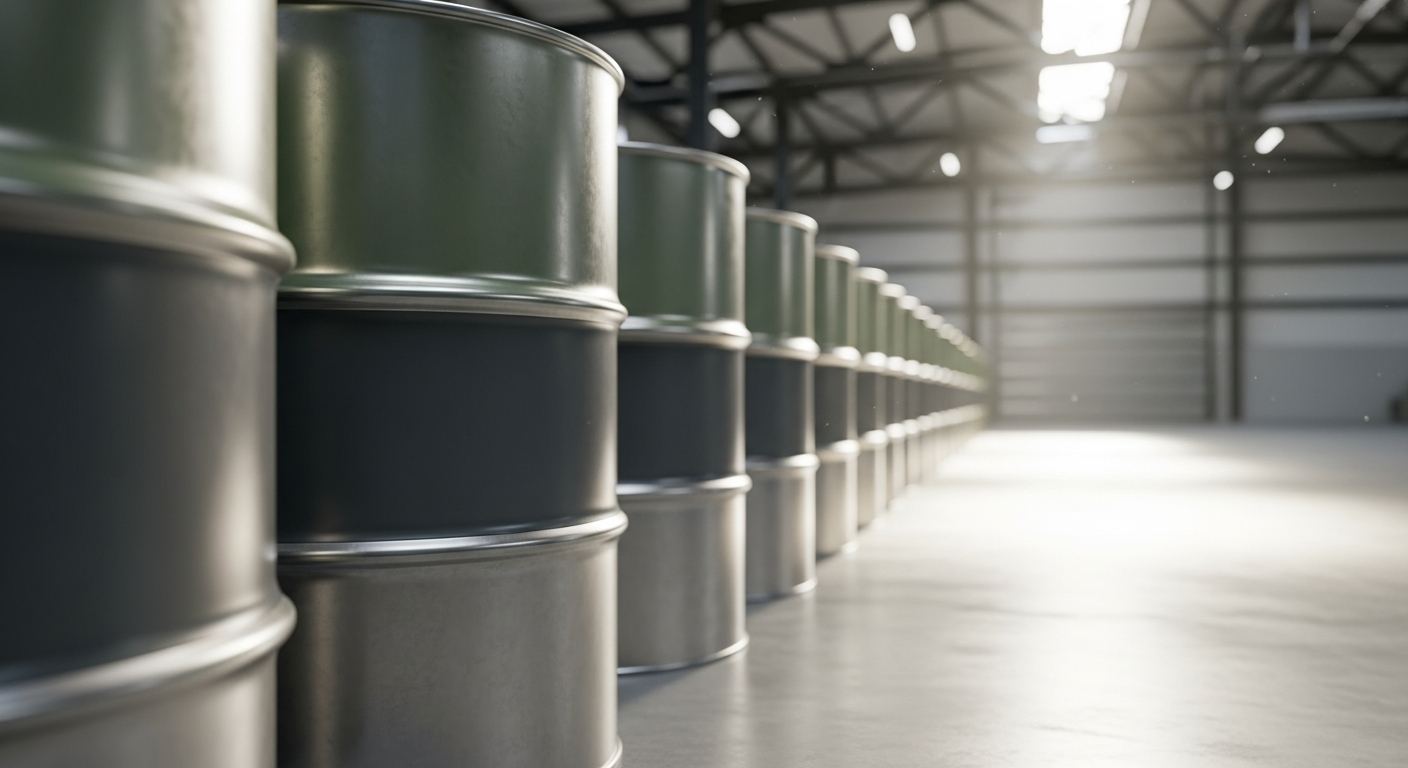
Hazardous Waste Characteristics
Under RCRA, a waste is considered hazardous if it exhibits one or more of four specific characteristics. Identifying these characteristics is the critical first step in compliance.
Ignitability
Can create fires under certain conditions or are spontaneously combustible.
Corrosivity
Acids or bases that are capable of corroding metal containers.
Reactivity
Unstable under normal conditions. Can cause explosions or toxic fumes.
Toxicity
Harmful or fatal when ingested or absorbed, causing ground water pollution.
Definitive guides to RCRA hazardous waste
Each topic below is an in-depth, citation-grounded reference page covering one of the core areas of Subtitle C compliance. Start with the complete guide and follow the cross-links into the technical detail you need.
Hazardous Waste: Complete Guide
Definitions, listed wastes (F, K, P, U), exclusions, and the mixture and derived-from rules under 40 CFR 261.
Four Characteristics (D-Codes)
Ignitability, corrosivity, reactivity, and toxicity — with EPA test methods and full TCLP regulatory levels.
Generator Categories: VSQG / SQG / LQG
Monthly thresholds, accumulation limits, satellite areas, and the 2016 Generator Improvements Rule.
Hazardous Waste Manifest
EPA Form 8700-22, the e-Manifest system, copy distribution, exception reports, and LDR notifications.
Regulatory Framework: 40 CFR 260-279
Subtitle C vs Subtitle D, the HSWA amendments, state authorization, and EPA enforcement penalties.
RCRA & DOT Hazmat Training
Personnel training under 40 CFR 262 and shipper training under 49 CFR 172.704, with recordkeeping.
The SEO Power of RCRA.com
RCRA.com is a perfect 4-letter exact-match domain for the most-searched acronym in the hazardous waste industry. It acts as an undisputed trust anchor, instantly capturing intent-driven traffic and providing unparalleled organic search benefits.
Interested in acquiring or partnering on RCRA.com?
Frequently Asked Questions
Comprehensive answers to common RCRA inquiries.